The Business Analytics Institute offers a wide range of training, coaching and consulting services to help management improve their ability to take tough decisions.

Business Analytics Institute
Winter Social Activities 2027
Cultural Immersion & Heritage Exploration in Cape Town, South Africa
Duration
February 2027
Location
Cape Town
South Africa
South Africa
Focus
Heritage &
Civic Innovation
Civic Innovation
Experience
Safari, Coast &
Township Dialogue
Township Dialogue
Cultural Immersion & Heritage Activities
Cape Town's history of identity, displacement, and institutional transformation is inscribed in its built environment — making it uniquely resonant with the 2027 programme theme.

Robben Island
Where Nelson Mandela was imprisoned for 18 of his 27 years, this UNESCO World Heritage Site is now guided by former political prisoners. For a cohort studying identity, trust, and institutional transformation, no site is more concentrated — or more morally serious. The crossing from the V&A Waterfront, Table Mountain at your back and the Atlantic ahead, frames the experience before you arrive.

District Six Museum
Founded in 1994, the District Six Museum preserves the stories of the mixed-race community forcibly removed during apartheid. Guided tours are led by former residents, making the experience immediate rather than archival. For students examining the MyMzansi Digital ID case study — who controls identity data, and to what ends — this museum provides an irreplaceable historical anchor.
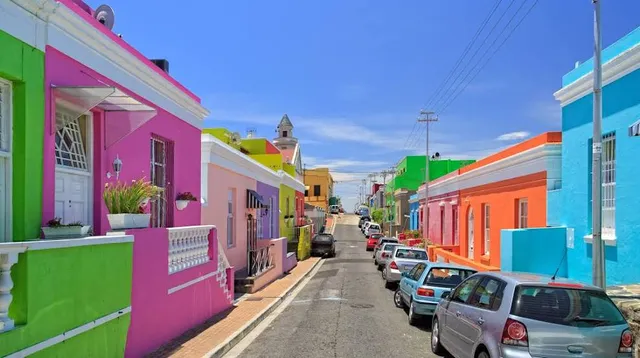
Bo-Kaap & the Slave Lodge
Bo-Kaap's brightly painted houses on Signal Hill trace the heritage of Cape Malay culture — a community formed by people enslaved and transported from across the Dutch East Indies in the 17th century. The nearby Slave Lodge, one of the oldest buildings in South Africa, now operates as a museum of colonial history. Together, these sites ask how identity is constructed, suppressed, and reclaimed.
Daily Cultural Enrichment
Each day of the programme is grounded in the textures of Cape Town — its landscapes, its food culture, and its living philosophical traditions.
Morning Atlantic Walks
Early February is Cape Town's high summer: warm, clear, with spectacular sunrises over the Hottentots Holland Mountains. Daily group walks along the Sea Point promenade or through the Company's Garden — a 350-year-old public park at the city's centre — provide the grounding rhythm that morning yoga offered in Mysore.
Cape Malay Cooking Workshop
Bobotie, bredie, koesisters, and Cape pickled fish are dishes layered with centuries of history. A hands-on cooking session in a Bo-Kaap or Woodstock community kitchen connects food culture directly to the programme's inquiry into how communities preserve knowledge and identity across generations.
Ubuntu Welcome Ceremony
South Africa's ubuntu philosophy — umuntu ngumuntu ngabantu, "a person is a person through other persons" — is a direct conceptual counterpoint to the algorithmic individualism that agentic AI systems tend to instantiate. A structured welcome led by a local cultural practitioner, with drumming and communal storytelling, sets the programme's human-centred register from day one.
Weekend Exploration
Extended excursions into Cape Town's surrounding regions provide deeper cultural insights and direct connections to the programme's institutional and ecological themes.
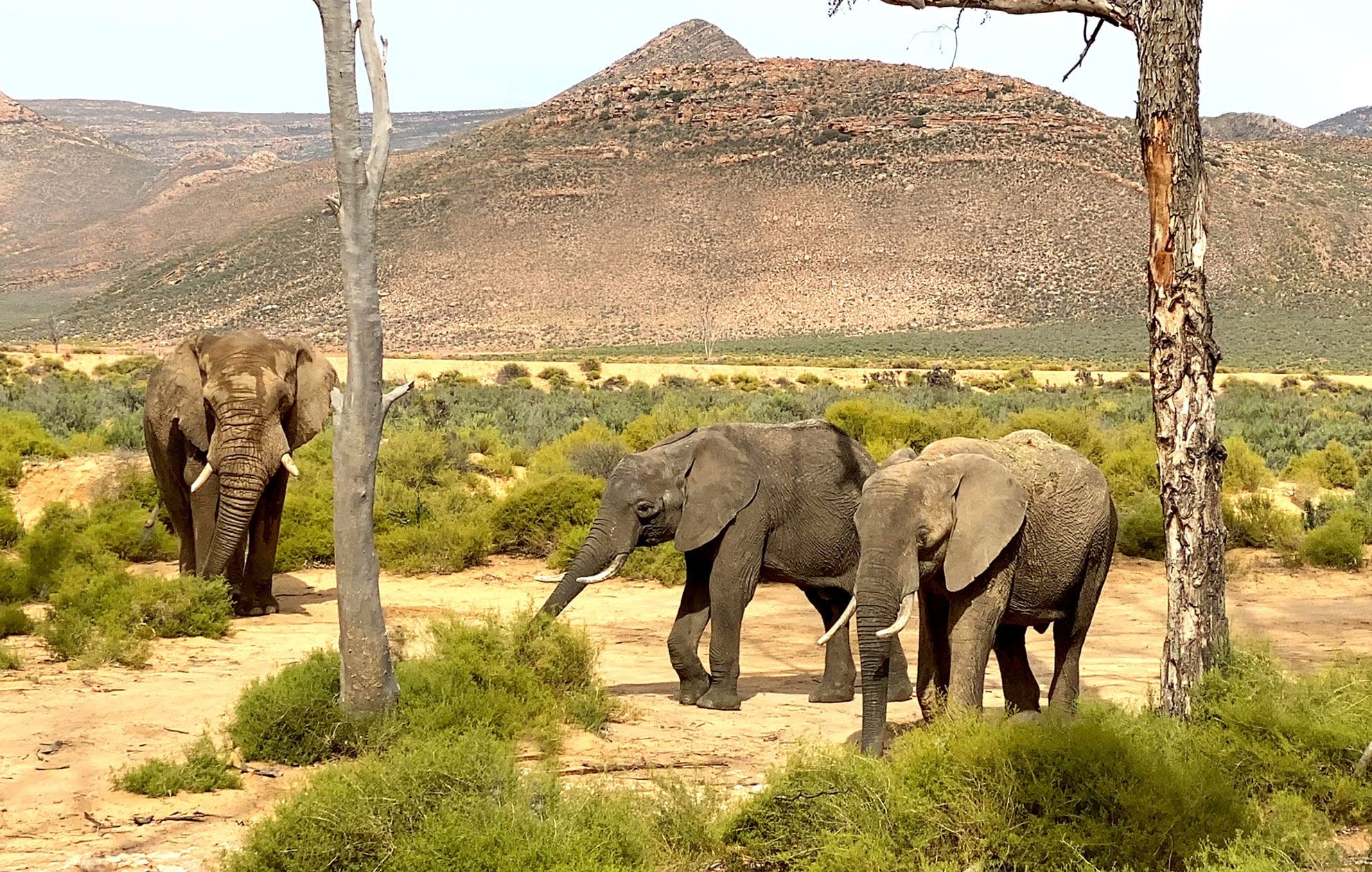
⭐ Weekend Highlight
Aquila Private Game Reserve
Founded in 1999, Aquila reintroduced Africa's Big Five to the Western Cape — becoming the first official Big Five reserve within reach of Cape Town. Set in the pristine Southern Karoo, a two-hour drive from the city, the 4,500-hectare reserve spans three biomes of dramatic mountain, valley, and river landscape.
Open 4×4 safari drives bring students face to face with elephant, lion, buffalo, leopard, and rhino, as well as zebra, wildebeest, springbok, and over 172 bird species. Aquila's active conservation work — wildlife rehabilitation, anti-poaching programmes, and the Touwsriver community upliftment initiative — connects directly to the programme's themes of accountability and institutional trust.
Touws River / Ceres region, Western Cape — approx. 2 hours from Cape Town
Big Five game drives (4×4, quad bike, or horseback safari options)
Conservation briefing: wildlife rehabilitation & community upliftment
Karoo-style buffet, mezzanine bar, telescope stargazing, 4-star lodge

Wine Lands
Stellenbosch & Franschhoek
The wine lands of Stellenbosch, Franschhoek, and Paarl lie within an hour of Cape Town. Franschhoek — built by Huguenot refugees granted land by the Dutch East India Company in 1688 — is itself a case study in how identity, displacement, and institutional sponsorship intersect. A campus visit to Stellenbosch University integrates naturally if confirmed as the host institution.

Natural Heritage
Cape Point & Boulders Beach
The Cape Peninsula National Park runs along Table Mountain's southern spine to the meeting of two oceans. The route through Chapman's Peak, Simon's Town, and the African penguin colony at Boulders Beach is spectacular and logistically straightforward. This is the programme's natural counterpart to Chamundi Hills: a half-day that provides scale, perspective, and the shared physical experience that cements cohort identity.
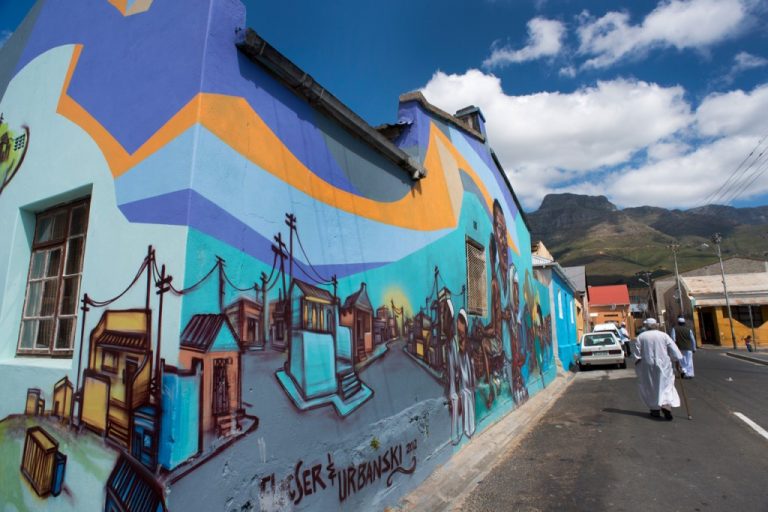
Creative Quarter
Woodstock Street Art Walk
Street art has transformed Woodstock and Salt River into creative hubs, with murals that narrate identity, displacement, and resilience. A guided walk through these works — some commissioned by the City, others unauthorised — is a seminar on foot about who controls public narrative and under what conditions. Saturday's Old Biscuit Mill market adds a contemporary artisanal and food dimension.
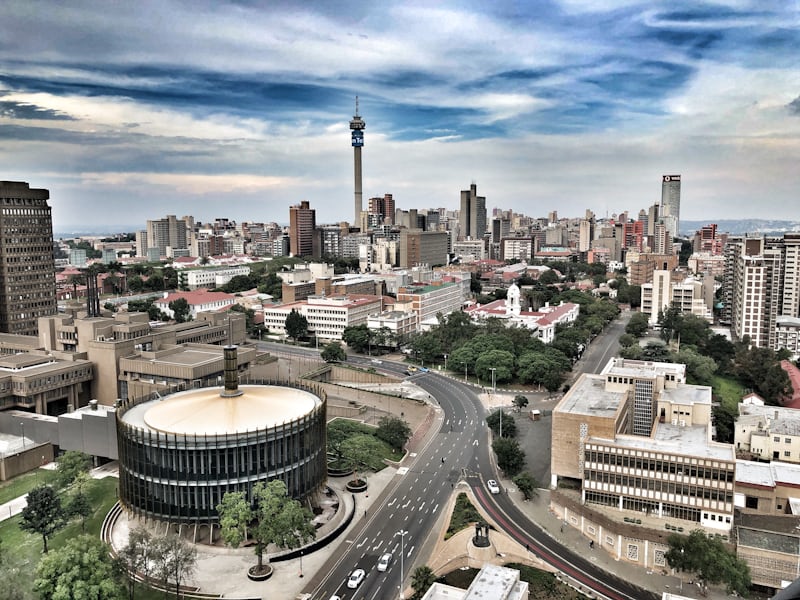
Digital Economy
Khayelitsha Practitioner Walk
Khayelitsha is a site of significant civic innovation: community health workers using mobile data platforms, cooperative banking initiatives, and informal digital payment ecosystems that predate formal fintech by decades. A structured, guide-led dialogue — not a poverty tour — connects directly to the MyMzansi Digital ID anchor case and to the programme's Maker → Checker → Accountable Principal framework.
"The cultural immersion experiences were as valuable as the academic curriculum, giving me insights into innovation from a completely different perspective."— Elena Malamova | Partner Technical Specialist, Master@IBM
Optional: The Garden Route Extension
Extend your South African experience beyond Cape Town
Knysna Lagoon
One of South Africa's most iconic coastal landscapes, flanked by ancient indigenous forest and the Knysna Heads — a dramatic sandstone gateway to the Indian Ocean.
Tsitsikamma Forest
Walk through Afromontane forest canopy among 800-year-old yellowwood trees — an encounter with deep time and ecological scale that no classroom replicates.
Plettenberg Bay
Blue flag beaches, whale and dolphin watching from shore, and the Birds of Eden sanctuary — one of the world's largest free-flight bird aviaries.
Cango Caves
Ancient stalactite chambers in the Swartberg Mountains, inhabited by humans for over 80,000 years — a final stop that places the entire programme in deep historical context.